
What to Avoid During Your Dental Implant Recovery Period

Dental implants take planning, skill and time to heal well. The days and weeks after surgery matter just as much as the procedure itself. The goal is straightforward: protect the clot, keep swelling down, prevent infection and give the bone the best chance to fuse with Dental implants in Melbourne. Here’s what to steer clear of, and why each point matters.

Don’t smoke or vape

Nicotine narrows blood vessels and slows the body’s natural repair work. Smoking also increases the chance the implant will not integrate with bone. Many oral surgery teams ask patients to quit for several days at a minimum, and ideally for the full healing window. If you need support, ask your dentist or GP for help with quitting strategies and nicotine replacement.

Also Read: Smoking and Dental Implants: Quit-Window Tips to Slash Failure Risk
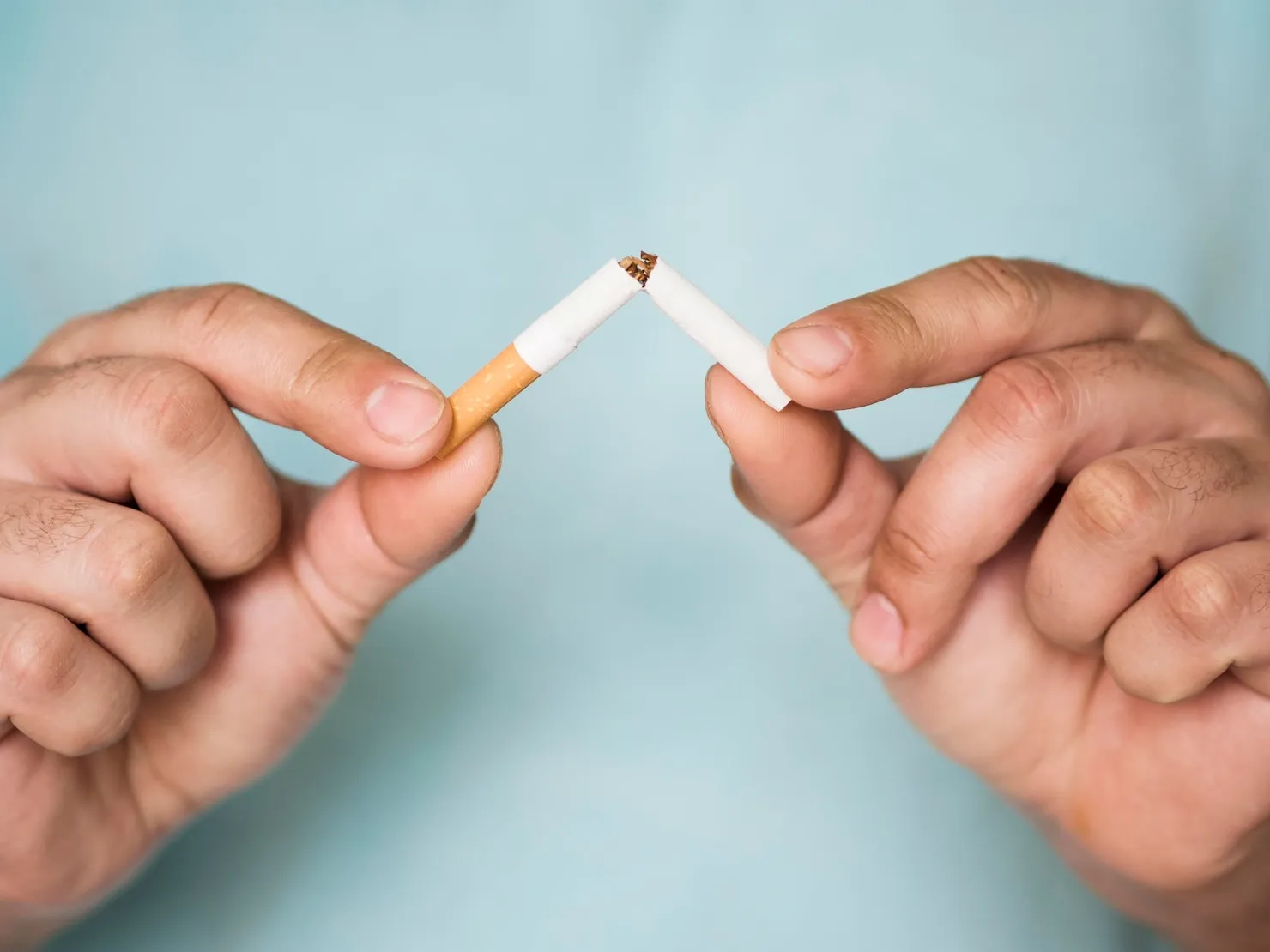
Person breaking cigarette to support better dental implant recovery

Skip alcohol early on

Alcohol dries the mouth and can interfere with clot stability and some pain medicines. A conservative approach is to avoid it for at least the first day, and longer if you are taking prescribed antibiotics or stronger pain relief. Your surgeon’s advice always takes priority.

No straws, forceful spitting or vigorous rinsing

Suction and pressure can dislodge the early clot around the surgical site. That setback can lead to pain and slower healing. Avoid straws, swishing, and spitting for the first 24 to 72 hours. When you need to rinse, let the liquid fall gently from your mouth. These simple oral hygiene steps can help prevent complexities and keeps dental implants near me affordable in the long term.

Go easy on exercise and heavy lifting

Hard workouts raise your heart rate and blood pressure, which can restart bleeding or worsen swelling. Keep activity light for a couple of days, then take cues from your surgeon’s instructions and your own comfort.

Avoid hot drinks and steaming soups at first

Heat dilates blood vessels and can increase bleeding. Many hospital instructions after oral surgery advise avoiding hot food and drink during the early phase. Choose cool or room-temperature options until the site is stable.

Woman avoiding hot drinks to aid dental implant recovery

Don’t poke the wound

Fingers and tongues carry bacteria, and fiddling with the stitches disrupts healing. Treat the area as off-limits. If a suture feels long or bothersome, call the clinic rather than trimming it yourself.

Press pause on crunchy, chewy and sticky foods

Crackers, chips, crusty bread and chewy lollies can irritate the site or wedge into the wound. Early on, pick soft foods such as yoghurt, eggs, mashed veg and tender fish. Add texture back gradually as advised by your clinician. If you’ve had grafting, expect a gentler diet for longer.

Don’t rush back to toothbrush bristles on the surgical spot

Keeping your mouth clean matters to keep your health and dental implants near me prices in check. Many hospital leaflets advise not brushing directly over the implant site for several days, sometimes up to a week, while still brushing the rest of your teeth as usual. Your team may recommend a chlorhexidine mouthwash to keep plaque under control during this window. Use it as directed and don’t overuse it long-term.

Avoid skipping prescribed medicines

If you have been given antibiotics or anti-inflammatory medication after getting full mouth dental implants in Melbourne, take them as prescribed and finish the course unless your doctor tells you otherwise. Pain control keeps you eating and sleeping properly, which supports recovery. If a medicine upsets your stomach or clashes with other meds, ring the practice for advice.

Hold off on mouthwash too soon or the wrong way

Saltwater rinses are often suggested after the first day, but chlorhexidine or other medicated rinses should be used only if your dentist recommends them. When you do rinse, tilt and let the liquid roll around passively rather than swishing hard.

Don’t drive or sign paperwork if you had sedation

If your procedure involved general anaesthesia or IV sedation, you shouldn’t drive, use machinery or make important decisions for at least 24 hours. Plan a lift home and a quiet day.

Keep your head slightly raised, not flat

Rest with an extra pillow the first night or two. An elevated position helps limit swelling and throbbing. Ice packs wrapped in a cloth for short intervals can also help in the first 24 hours. Follow any time limits your surgeon provides.

Avoid missing follow-up appointments

Healing isn’t identical for everyone. Follow-ups let your dentist check the tissues, remove sutures if needed and catch problems early. Regular reviews and ongoing professional cleans keep implants healthy over the long haul. If you are looking for a dentist, search “dental implants near me” to get started.

Red flags: when to call

Persistent bleeding that soaks gauze after the first day, increasing swelling after 72 hours, fever, foul taste or discharge, or pain that worsens rather than settles deserve a prompt call to your practice for advice. If urgent, call triple zero.

A simple recovery plan you can stick to

  1. First 24 hours: rest, cold compresses, no smoking or alcohol, no straws, no hot food or rinsing. Keep pressure packs in place as advised.
  2. Days 2 to 3: gentle saltwater rinses if recommended, brush other teeth carefully, soft foods only, light walks rather than workouts.
  3. Days 4 to 7: slowly widen your diet, still avoid crunchy or sticky foods and any tobacco. Continue any prescribed mouthwash exactly as directed.
  4. Weeks 2 to 6: take it steady with chewing on the implant side until your dentist clears you. Keep appointments and maintain excellent daily cleaning around the rest of your mouth.

Protect the clot, keep the area clean, and avoid the habits that push healing backwards. Do that, and you give your implant the best chance to bed in securely and serve you well for years. To know more about the teeth implants cost in Melbourne, talk to the experts today.
Your New Smile: Looking After Your Dental Implants Day-to-Day

Making the decision to get dental implants is a big one, and likely something you’ve put a lot of thought into. Good on you for taking that step towards a healthier, more confident smile! These aren’t just replacement teeth; they’re sophisticated pieces of dental work – tiny titanium posts that act like artificial roots, creating an incredibly solid base for new teeth that look and feel remarkably natural.

Now, having the dental implants in Melbourne placed by your dental surgeon is a skillful procedure, no doubt about it. But the success story doesn’t end there. How you look after your implant, especially in the weeks and months following the procedure, really makes a difference to how well it settles in for the long run. It’s a bit like teamwork between you, your body, and your dental team. Giving your dental implants near me the right conditions helps it fuse securely with your jawbone – a natural process we call osseointegration – and keeps the gums around it healthy. Let’s go over the main things you can do.

The First Few Days: Handling with Care

That initial period post-surgery is all about gentle healing. Expect some tenderness or slight swelling – that’s quite normal.

Eating and Drinking Gently: Start with cool liquids (water, juices, shakes) for the first day or two. As you feel up to it, transition to very soft foods needing minimal chewing (yoghurt, mashed veggies, scrambled eggs, soft fish). Avoid anything hot, spicy, crunchy, sticky, or very chewy for the first week. Importantly, do not use straws, as the suction can disturb the healing site. Stay well hydrated with plenty of water.

Keeping Your Mouth Clean (Carefully!): On day one, avoid rinsing or brushing near the site to protect the healing clot. From day two, gently brush your other teeth, being extra careful around the implant area. You can start gentle warm salt-water rinses (1/2 tsp salt in a cup of water) after meals. Avoid vigorous rinsing and hold off on water flossers for about 12 weeks.

Taking It Easy: Rest is important. Plan for a quiet day after surgery, keeping your head elevated. Avoid strenuous exercise or heavy lifting for at least a week. Critically, avoid smoking, as it severely hinders healing and increases implant risks. It’s also wise to skip alcohol for at least a few days to support the healing process.

Eating for the Long Haul: Fuelling Success

Once your teeth implants cost in Melbourne has fully integrated (usually 3-6 months), you can enjoy most foods again. A balanced diet rich in nutrients like Calcium, Vitamin D, Vitamin C, and protein supports the long-term health of the bone and gums around your implant. While dental implants near me prices are strong, it’s still sensible to be mindful of very hard foods (like ice or hard lollies), sticky items that are hard to clean, and excessive sugary or acidic foods that can affect overall oral health. Drinking plenty of water is always beneficial.

After Dental Implant Care for food

Your Daily Cleaning Routine: Protecting Your Investment

Excellent oral hygiene is key to preventing issues like peri-implantitis (gum inflammation around the implant). This means:

  • Brushing: At least twice daily for two minutes with a soft-bristled brush and low-abrasive toothpaste, paying attention to the gum line.
  • Cleaning Between: Daily cleaning around the implant abutment is vital. Use implant-specific floss, a water flosser, or interdental brushes as recommended by your dentist.
  • Regular Dental Visits: Professional check-ups and cleans (usually every six months) are non-negotiable. Your dental team can clean thoroughly and spot early signs of trouble.

Habits That Can Harm Your Implants

Protect your investment by avoiding habits that put undue stress on dental implants near me affordable:

  • Smoking: A major factor in implant failure. Quitting is highly recommended.
  • Excessive Alcohol: Can impede healing and overall health. Moderation is advised.
  • Teeth Grinding (Bruxism): Creates excessive force. A night guard is often recommended if you grind your teeth.
  • Chewing Hard Objects: Avoid using implants (or teeth!) on non-food items like ice, pens, or packaging.

Staying on Track: The Importance of Follow-Ups

Regular follow-up appointments allow your dentist to monitor healing, check the implant’s integration with your jawbone (often using x-rays), and catch any potential complications early. Even after years, these check-ups are essential for assessing the health of the implant, crown, and surrounding tissues.

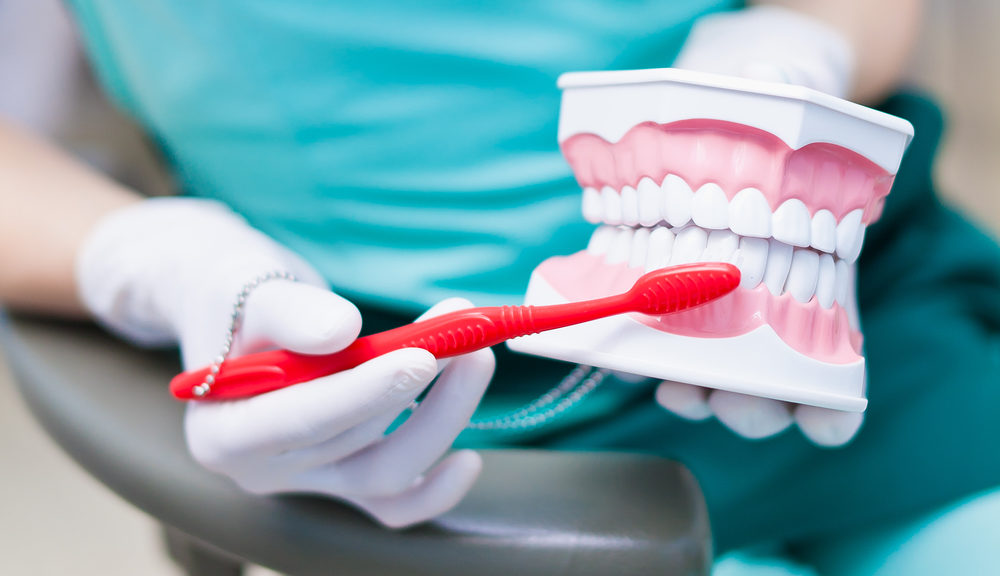
Daily cleaning routine after dental implant

Looking Ahead: Enjoying Your Smile for Years

Full mouth dental implants in Melbourne are built to last, potentially 15-25 years or even a lifetime with good care. The crown might need replacement due to wear after 10-15 years, but the implant post itself is designed for durability.

Making these adjustments becomes routine over time. By looking after your implant and working with your dental team, you’re setting yourself up for many years of smiling, eating, and speaking with confidence.

Frequently Asked Questions

  1. How long does it take to recover from dental implant surgery?

Initial healing, where tenderness and swelling subside, usually takes a few days to a week. However, the full process of the implant fusing with the jawbone (osseointegration) typically takes around 3 to 6 months before the final crown is attached.

  1. Can I eat normally with dental implants once they’ve healed?

Yes, one of the main benefits is that once fully healed and integrated, you can generally eat almost anything you could with natural teeth. It’s still wise to be cautious with extremely hard items like ice or hard lollies to protect the crown.

  1. Do dental implants require special cleaning?

They require excellent, consistent cleaning, similar to natural teeth, but perhaps with slightly different tools. Daily brushing (twice a day) with a soft brush and daily cleaning between the implant and other teeth using implant floss, interdental brushes, or a water flosser is vital. Regular professional cleans are also essential.

  1. What happens if I smoke after getting dental implants?

Smoking significantly increases the risk of complications and implant failure. It restricts blood flow needed for healing, slows down the integration process with the bone, and makes infections more likely. Quitting smoking is strongly advised for the long-term health of your implants.

  1. How long do dental implants usually last?

With proper care and regular dental check-ups, dental implants can last a very long time – often 15 to 25 years, and potentially even a lifetime. The crown attached to the implant might need replacement due to wear and tear roughly every 10-15 years.