Quick Answer
Zirconia can be a strong, tooth-coloured option for a front-tooth crown or implant abutment, especially where thin gum tissue makes grey metal show-through a concern. It is not automatically the best material for every front tooth; the choice depends on the component being restored, your bite, gum thickness and the translucency needed to match nearby teeth.
A missing or damaged front tooth can change the way you speak, smile and eat. The replacement has to be tough, but it also has to blend in at close range. Zirconia is one of several ceramic options used for visible restorations because it combines high strength with good biocompatibility.
Why front teeth are harder to replace than molars
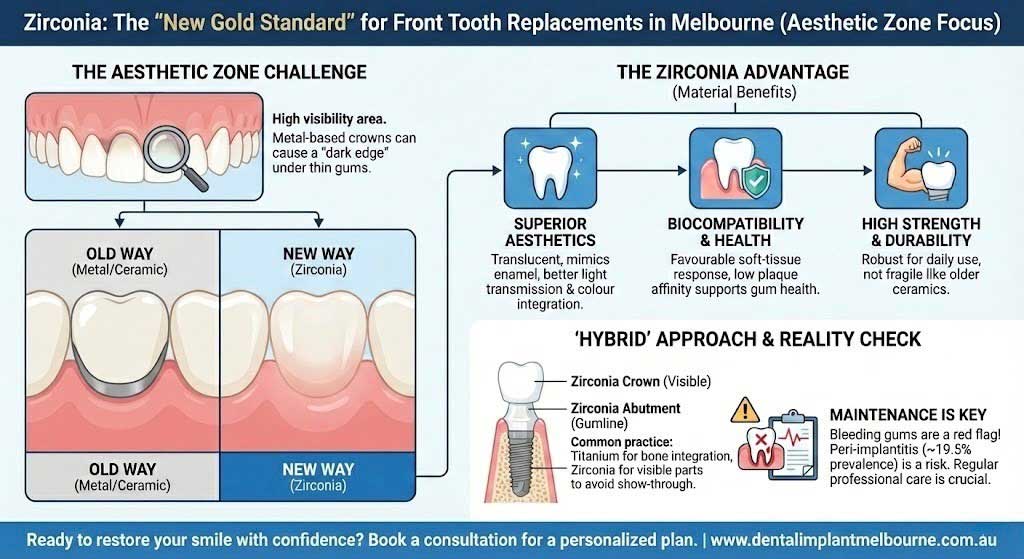
Front teeth sit in the “aesthetic zone”, where the gumline and the colour of the tooth are on show. Small mismatches can look obvious, particularly in bright daylight. Metal-based crowns can sometimes leave a darker edge near the gum, especially when the gum tissue is thin. That concern is one reason ceramic options are discussed so often for front tooth work.
For implant-supported front teeth, the connector piece matters as much as the crown. Zirconia abutments can be useful in the aesthetic zone because their light colour may reduce grey show-through in thin peri-implant tissue, although titanium abutments remain a well-established option.
A natural look without fragility
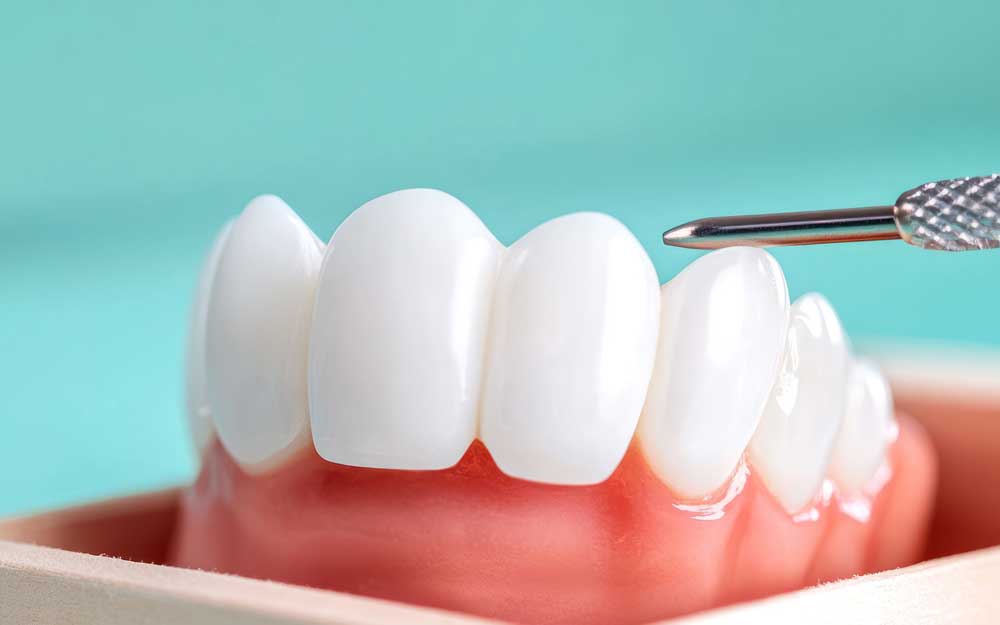
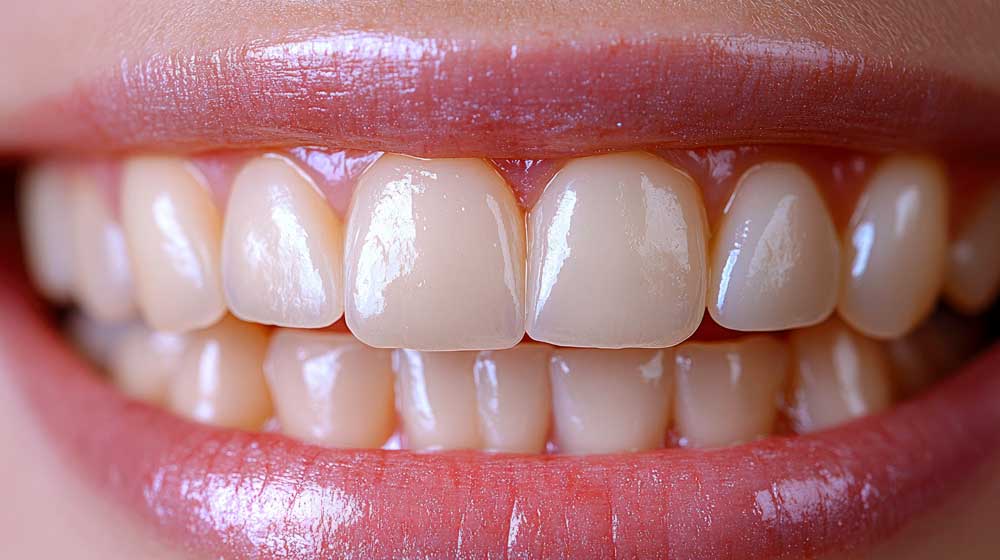
Older zirconia crowns were strong but could look slightly opaque. Newer formulations allow more light transmission, and skilled dental labs can add subtle character, so the crown does not look like a single block of colour. With the right planning, zirconia can look very close to enamel while staying robust in day-to-day use.
Zirconia crown, abutment or implant: know the difference
A zirconia crown is the visible tooth-shaped restoration, a zirconia abutment connects an implant to the crown, and a zirconia implant is the fixture placed in the jawbone. Many front-tooth cases use a titanium implant fixture with a tooth-coloured zirconia crown, so ask which component the material description refers to.
For the visible crown, modern high-translucency zirconia can look very natural, while glass-ceramics such as lithium disilicate may offer greater translucency in some cases. The best choice depends on the shade underneath, crown thickness, bite and the appearance of the surrounding teeth and gums.
Gum health still decides the long-term result
Material choice helps, yet maintenance is what keeps an implant looking good. Zirconia is biocompatible, but it does not prevent plaque, mucositis or peri-implantitis; daily cleaning and professional maintenance still matter.
Implants can still develop complications. Infection is a possible complication of dental implant treatment, and peri-implantitis remains common across implant patients. A 2025 systematic review and meta-analysis estimated patient-level peri-implantitis prevalence at about 21%, although estimates vary with the population and diagnostic criteria used.
If your gums bleed around an implant crown, treat it as a prompt to book in, not something to “wait and see”.
How this plays out in Melbourne
In many single front-tooth cases, the implant fixture is titanium, while zirconia is used for the crown and often the abutment to keep the visible parts tooth-coloured. If you are researching Dental implants in Melbourne, ask what will sit at the gumline, and whether the final crown is zirconia or another ceramic.
Costs without guesswork
Dental implant costs in Melbourne vary because each mouth is different. The quote may include imaging, implant surgery, a temporary tooth, and the laboratory work needed to match a natural front tooth.
For a front tooth, also ask whether bone or soft-tissue grafting, a temporary tooth, or extra laboratory shade work is included in the quote. If you are weighing fixed replacement options, a dental implant vs bridge comparison can help you discuss the trade-offs with your dentist.
Zirconia beyond a single tooth
Zirconia is also used for larger implant bridges, where strength and consistent colour matter. Patients exploring full mouth dental implants in Melbourne may see zirconia mentioned for fixed teeth across an arch, although the planning and maintenance are more involved.
Before choosing zirconia, ask your dentist to explain which component is zirconia, what alternatives suit your case, and how the restoration will be maintained. Patients who smoke should discuss their case, because smoking is a recognised risk factor for peri-implant disease.
Call 1300 721 184 or visit the clinic soon.
Frequently Asked Questions:
1) Is zirconia better than porcelain for a front tooth replacement?
It depends on the case. Zirconia is strong and, in modern translucent forms, can look very natural. It is often selected where the gumline is visible or the tissue is thin, because zirconia abutments reduce the chance of a grey hue. Glass-ceramics can be very aesthetic too, but they may suit different bite patterns.
2) Can zirconia be used with a titanium implant?
Yes. Many restorations combine a titanium implant fixture with a zirconia abutment and zirconia crown. This approach aims for reliable integration in bone while keeping the visible parts tooth-coloured. Your dentist should explain how the components will be joined and how they will be cleaned at home.
3) Is a zirconia crown the same as a zirconia dental implant?
No. A zirconia crown is the visible restoration above the gum; a zirconia implant is the fixture placed in the jawbone. A zirconia crown can also be fitted to a titanium implant.
4) Is zirconia safe for sensitive mouths?
Zirconia is commonly described as biocompatible in dental research and true allergies are considered uncommon. Still, sensitivity can come from other sources, like cement, cleaning products, or existing gum disease. Tell your dentist about any history of reactions and ask for a written list of planned materials.
5) How can I keep the treatment affordable without compromising the look?
Ask about staged care. Some clinics provide a temporary tooth while the implant heals, then move to the final zirconia crown later. Payment plans may also be available. Payment plans may also be available to make dental implants near me prices manageable. Make sure the written quote states the final crown material, any grafting or temporary-tooth fees, and the number of review visits included.
Which looks more natural on a front tooth: zirconia or lithium disilicate?
Both can look natural. Lithium disilicate may provide more translucency in some cases, while zirconia can offer greater strength or better masking of a dark underlying structure.
Does zirconia prevent gum disease around an implant?
No. Plaque and peri-implant disease can still occur around zirconia restorations or implants, so daily cleaning and professional maintenance remain important for proper dental implant recovery and hassle-free usage.
How long can a zirconia front-tooth restoration last?
There is no guaranteed lifespan. Longevity depends on the restoration design, bite forces, oral hygiene, gum and bone health, grinding habits and ongoing maintenance.